-
Domestic and international attention for IPBES assessment: necessity of cooperation between businesses and nature is widely supported
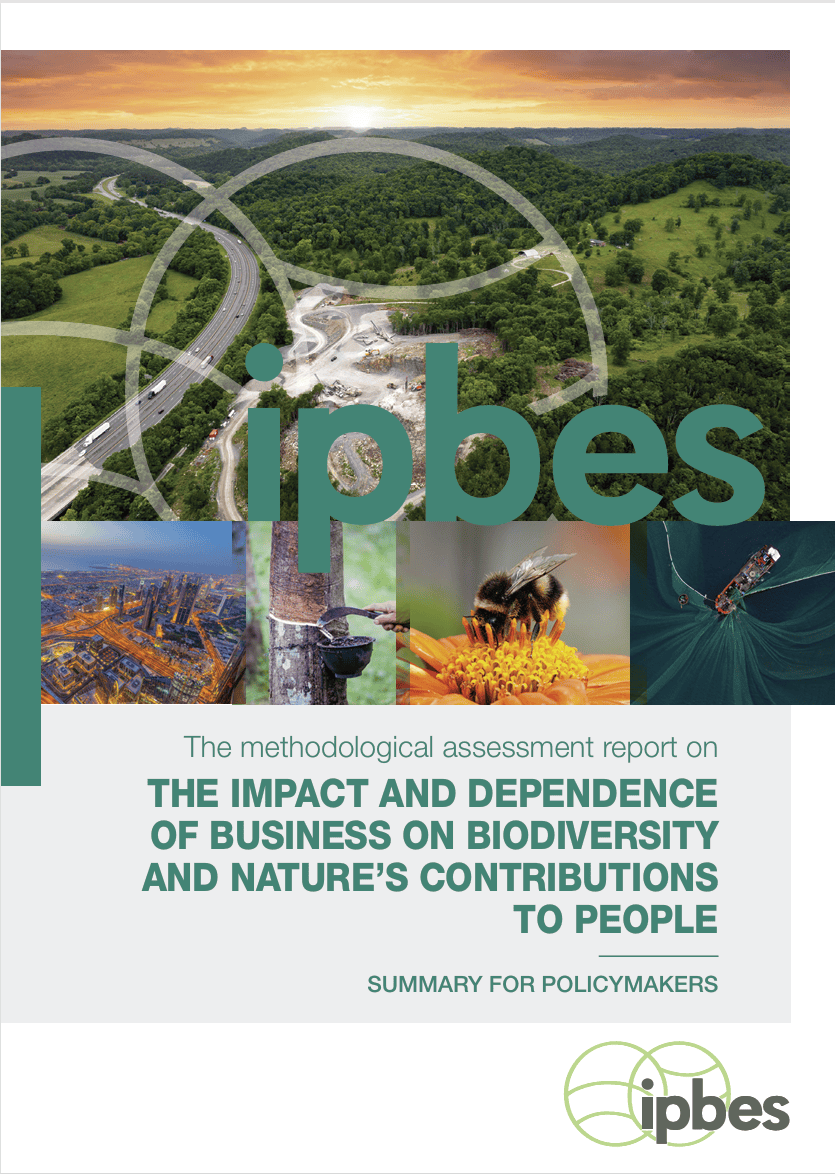
26-MAR-2026 – The new IPBES Business & Biodiversity Assessment, adopted on 9 February 2026 by more than 150 countries, received a great deal of (inter)national media attention in a short time. IPBES is regularly presented in that context as ‘the next big thing’. At the same time, the core message is not new: without a healthy living environment there is no healthy economy, and businesses need clear frameworks.
Core message: economy dependent on biodiversity
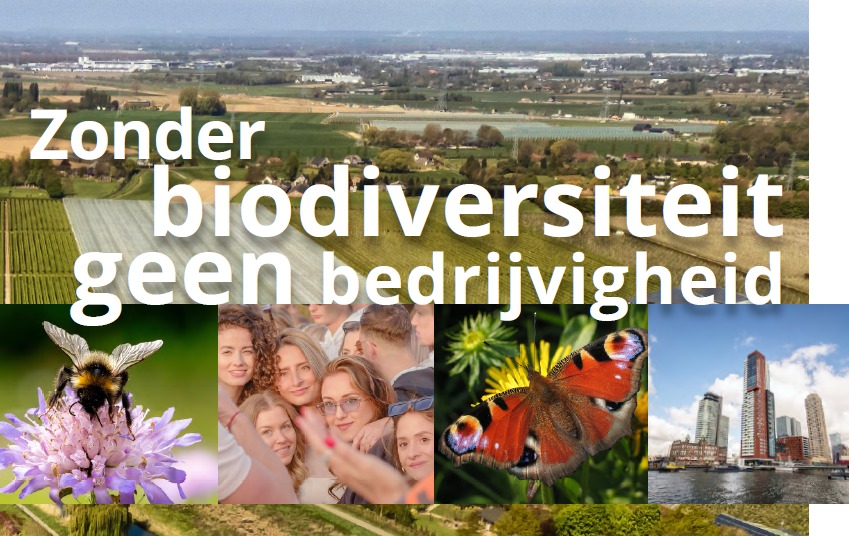
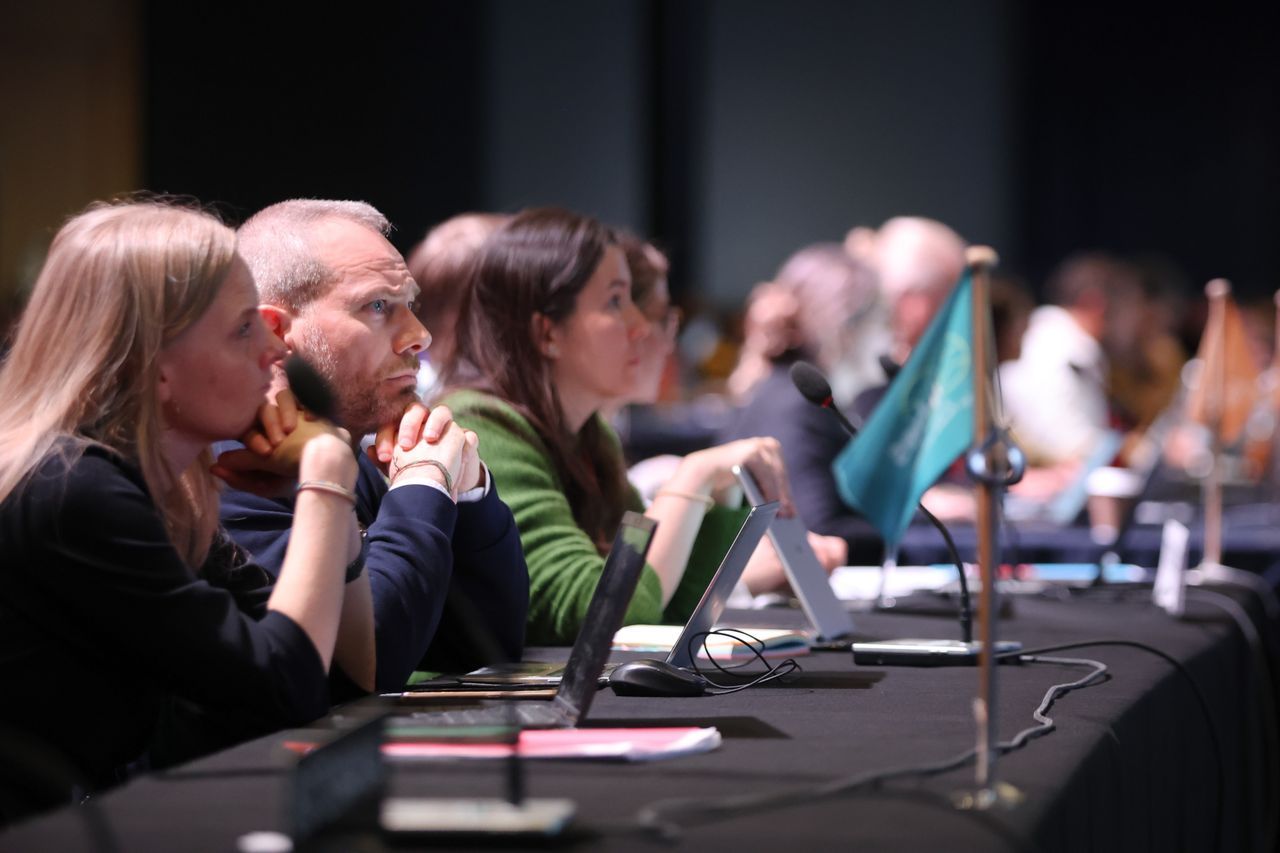
In much reporting it was emphasized that biodiversity loss constitutes a systemic risk for the world economy. Businesses need better instruments and clear policy frameworks to make their impact on and dependence on nature visible. The economy depends on natural resources and biodiversity: without healthy soil, air and water, no healthy economy is possible. Governments play a key role in this, among other things by setting clear frameworks and regulations and by phasing out and redirecting biodiversity-harmful subsidies and other financial incentives. This also emerged in the presentation of the Summary for Policymakers during IPBES-12 in Manchester. Businesses must take action, but for that they need the right preconditions – among other things from governments and the financial sector.
Dutch media attention
In the Netherlands, among others de Volkskrant, NRC and Trouw paid attention to the report on the day of publication. De Volkskrant placed the emphasis on ‘perverse incentives’ in regulation and financing that keep biodiversity loss in place. Trouw explicitly linked the findings to economic risks and financial stability. NRC emphasized the possibilities for businesses to report on their impact on biodiversity. In addition, platforms such as Nature Today, universities and trade media such as Accountant.nl published substantive interpretations.
The report also remains in the spotlight on social media: on LinkedIn, contributions are regularly shared with practical examples where things are going well, with reference to the assessment. Soon an episode of the podcast Met Woede en Liefde will also appear, in which two Dutch authors interpret the report.
Broad composition of IPBES
In a number of media it did not seem to come through fully that IPBES is not a collection of biologists. The reports are indeed about biodiversity, but are drawn up by a broad group of scientists, including ecologists, statisticians, business scientists and social scientists. The Dutch people who co-wrote this report also contributed from different angles, such as ecology policy, transition thinking, modelling ecosystem effects and environmental economics.
In the Business & Biodiversity Assessment the contribution of environmental economists is large, and that is no triviality. Biodiversity forms the building blocks of life – also human life. When species go extinct, that is not only ‘sad’ or ‘regrettable’, but the foundation under our society crumbles.
Ecologists can then say something about system conditions for species and landscapes, but among others economists, health scientists and public administration scholars are needed to organize society in such a way that that basis is restored and remains in order. That message cannot be repeated enough.
From report to practice
The scale and spread of the reporting – from international quality media to specialized nature and financial networks – show that the assessment is not only seen as an ecological report, but also as an economically and policy-relevant document. With that, the subject is emphatically on the agenda of science, business and politics.
The challenge now is to turn this attention into concrete and sustainable business practices. The article in De Groene Amsterdammer provided a first impetus for this and in an article in De Correspondent Tamar Stelling opened a mailbox for examples, suggestions and tips.
Text: Sander Turnhout, SoortenNL / PBES NL, Joseline Houwman, PBES NL and Jeroen van Riet, SoortenNL
Image: Vincent van Zalinge, Unsplash (lead photo: deer in greenery); Anastasia Rodopoulou; IPBES